


“Cooking falotani” appears across search pages and social platforms.
However, no reliable culinary source defines falotani as a recognized dish.
Editorial finding: Falotani cannot currently be verified as a traditional food, commercial product, chef, or established recipe. Publishing invented ingredients would mislead readers.
Falotani Verification Card
| Question | Verified answer |
|---|---|
| What is falotani? | No authoritative definition exists |
| Is it a recognized dish? | Not confirmed |
| Country of origin | Unknown |
| Traditional cuisine | None reliably documented |
| Standard ingredients | Not established |
| Accepted cooking method | Not established |
| Nutrition information | Unavailable |
| Known allergens | Impossible to determine |
| Safe to cook or eat? | Only after identifying the actual ingredients |
| Why is it appearing online? | Likely search-driven or automatically generated content |
What Does “Cooking Falotani” Mean?
At present, “cooking falotani” has no verified culinary meaning. Searches return scattered pages using the phrase. Yet those pages provide no credible origin, recipe history, or ingredient standard.
The term appears within clusters of related searches. Examples include “falotani taste,” “falotani calories,” and “way to cook falotani.” These phrases appear on generic food-themed websites. An Instagram topic page also exists for “way to cook falotani.” However, its visible preview discusses air-fried tortellini—not a dish called falotani.
That mismatch matters. It suggests the phrase may connect unrelated content. Therefore, readers should not assume falotani represents a real recipe.
The Evidence Behind This Conclusion
A genuine dish normally leaves several traceable records. These may include cookbooks, restaurant menus, cultural archives, food databases, or regional-language references.
Falotani lacks that supporting trail. Our review found no dependable evidence for:
- A known country or community of origin
- A traditional spelling in another language
- A documented ingredient list
- A chef associated with its creation
- A restaurant serving an identified version
- A standard preparation technique
- Reliable calorie or allergen information
The USDA FoodData Central provides searchable nutrition records for basic, prepared, and branded foods. It is a credible starting point for checking food identity and nutrient information. No verified falotani record could be established during this review.
That absence does not prove nobody uses the word privately. A family recipe could carry an informal name. Likewise, a small restaurant might invent it. Still, no publisher should present such possibilities as established history.
Could Falotani Be a Misspelling?
A spelling error remains the most reasonable possibility. “Falotani” resembles several genuine food names, but resemblance alone proves nothing.
| Possible intended term | What it actually describes | Why confusion may occur |
|---|---|---|
| Tortellini | Ring-shaped stuffed Italian pasta | Search previews connect falotani with tortellini |
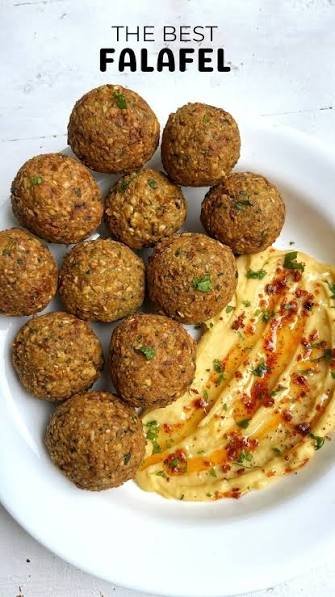
| Falafel | Fried chickpea or fava-bean mixture | Both words begin with “fala” |
| Fagottini | Stuffed Italian pasta shaped like small parcels | Similar rhythm and culinary context |
| Caponata | Sicilian eggplant-based dish | Similar ending and food-blog usage |
| Focaccina | Small Italian-style focaccia | Another possible phonetic mix-up |
This table offers possibilities, not identifications. The correct dish depends on the original video, label, menu, or conversation.
If the intended word was tortellini, readers should use a genuine tortellini recipe. If it was falafel, its ingredients and preparation differ completely. Guessing could ruin the meal and create allergen risks.
Why Unverified Falotani Recipes Are Risky
An invented recipe may look harmless. However, food content carries practical safety responsibilities. Readers need correct ingredients, temperatures, storage advice, and allergen warnings.
Without knowing what falotani contains, nobody can responsibly calculate:
- Calories or serving size
- Protein and carbohydrate levels
- Cooking temperature
- Refrigeration requirements
- Gluten content
- Dairy, egg, nut, or sesame risks
The FDA’s food-allergy guidance advises consumers to check ingredient labels and avoid known allergens. The FDA recognizes nine major allergens, including milk, eggs, wheat, soy, peanuts, tree nuts, fish, shellfish, and sesame.
Similarly, Britain’s Food Standards Agency stresses clear allergen information. A mystery food name offers none. People with allergies should never cook or eat it based solely on an online keyword.
How to Identify the Food Correctly
Before searching for cooking instructions, locate the original context. A photograph or package usually provides better evidence than the phrase alone.
Use this quick identification process:
- Check the spelling.
Copy the word directly from its original source. - Look for an ingredient label.
Packaging may reveal the food’s real identity. - Identify the language or country.
Regional spellings often change during translation. - Inspect its shape and texture.
Pasta, bread, meat, and legumes require different methods. - Ask the original uploader or seller.
Request the correct name and complete ingredients. - Compare several reputable sources.
Do not rely on copied descriptions.
A reverse-image search may also help. Still, visual similarity cannot confirm ingredients or allergens.
Why the Term Is Spreading Online
Falotani demonstrates how a phrase can appear popular without becoming factual. Search systems may display related phrases when many pages repeat them. That repetition can create false authority.
Several low-context websites list “cooking falotani” beside unrelated subjects. They do not explain who created the dish or where people eat it. This pattern suggests content built around search terms rather than documented food knowledge.
The important distinction is simple:
| Online signal | What it proves |
|---|---|
| Many pages contain the phrase | The phrase has been repeated |
| Social posts use the phrase | Users have encountered the wording |
| A search engine suggests it | Some search activity may exist |
| A recognized culinary source documents it | The dish has reliable support |
Only the final signal establishes meaningful culinary credibility.
Can You Cook Falotani?
Not from the available evidence. There is no trustworthy falotani recipe to follow. Its ingredients, preparation, origin, and appearance remain unconfirmed.
Do not substitute a guessed recipe under this name. First identify the actual food. Then follow instructions from a reputable culinary source.
Final Verdict
“Cooking falotani” is currently an unverified internet phrase. It is not a documented recipe with established ingredients or origins. Search results alone cannot turn an unidentified term into a genuine traditional dish.
The safest answer is also the most accurate: identify the intended food before cooking it. Until credible evidence appears, claims about falotani’s taste, calories, heritage, or preparation should be treated as unsupported.
Is falotani a real food?
No reliable culinary authority currently confirms it as an established food.
What ingredients does falotani contain?
No verified ingredient list exists. Online recipes may be invented.
Is falotani another name for tortellini?
That connection appears in one search preview. It remains unconfirmed.
Is cooking falotani safe?
Safety cannot be assessed without ingredients and proper cooking instructions.
Read more:Klara-Magdalena Martinek: Verified Facts Behind the Famous Surname
